
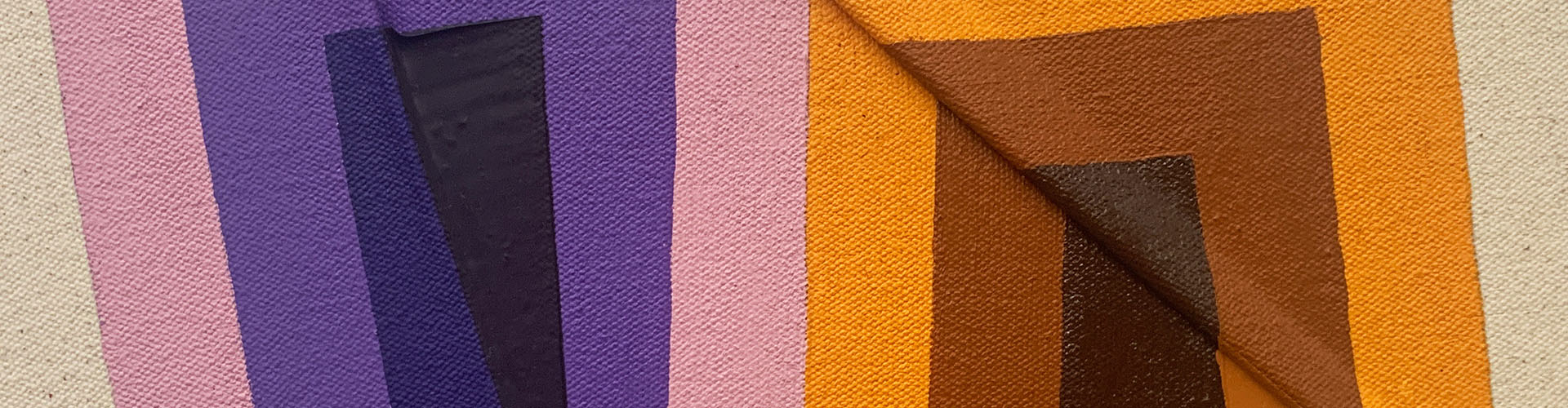
Square Root by Nikko Mueller
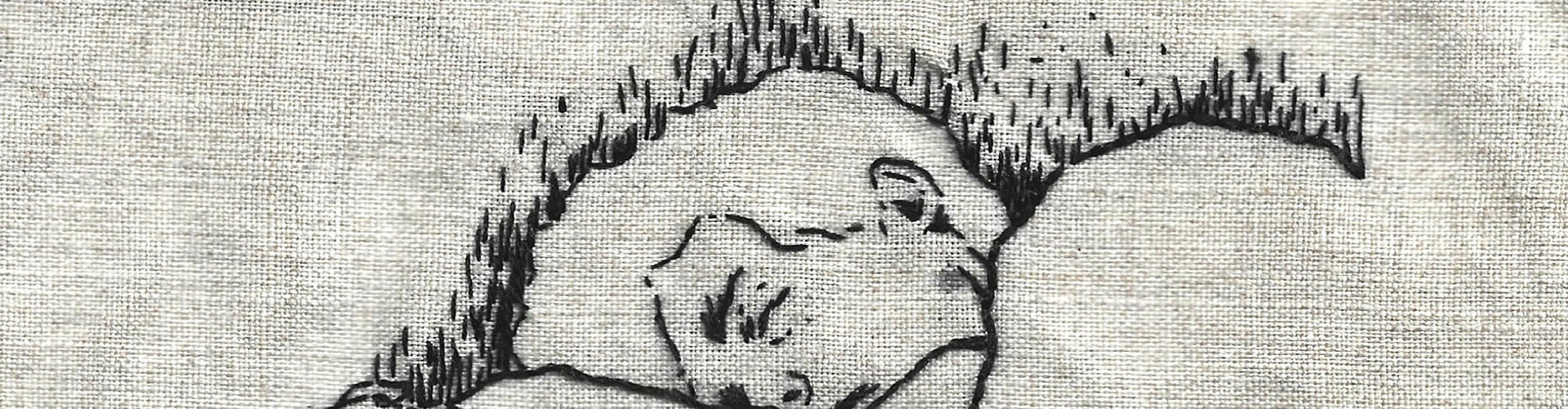
Urbes Nocturnas by Genaro Moreno
INTIKA: Men in Textiles
Curated by Armando Garcia-Orso, VMOTA Curatorial and Education Manager
in collaboration with Natalie Gonzalez of Oceanside Museum of Art
May 10 – October 4, 2025
ABOUT THE EXHIBITION
“… How we look at the moon, how we see the birds, how
we plant, we give life to our textiles. We weave our
life in the girdles, we weave as we do the parties, as we make the
the roofs, like we make our marriages,
we weave our living together in harmony with Pachamama (Mother Earth).”–Juan Quispe Huatta, 38 years / Weaving Our Life: Testimonies about the Textile Art of Taquile / Ministry of Culture of Peru
Textile history is almost as old as human civilization, and as time has passed, the history of textiles has become more enriched. Throughout history, women have been heavily involved in textile production, but men have also been involved in many cultures in textile art.
For nearly 500 years, the men of Taquile, Peru, have used textiles as a way to express themselves, the Spaniards renamed the place Taquile after a prominent Spanish nobleman. Its indigenous name “Intika” is still used by the locals today.
Their textile art was inscribed in 2008 on the Representative List of “Oral and Intangible Heritage of Humanity” for UNESCO and in this context, they experienced a new process of becoming aware of the importance of textile art, but this time under the stimulus of his own search aimed at understand why textile art is important to their lives. Seven men on the island were recognized as Masters in Textiles.
Textile art is undergoing a transformation, breaking away from traditional associations and embracing a contemporary perspective that transcends gender norms. It breathes life into stories, reflects political struggles, and provides a canvas for healing and memory.
The INTIKA exhibition seeks to showcase the diverse works of male artists from various backgrounds, each employing different textile techniques. Artists who push the boundaries of traditional textile art by experimenting with unconventional materials or incorporating elements from other disciplines like sculpture or installation art.
The exhibition shows how textiles and clothing are deeply intertwined with cultural norms and gender roles across different civilizations. Whether it’s knitting hats or creating intricate embroidery, men have played a vital role in shaping the history of textiles with pieces that evoke strong emotional responses, whether through their beauty, symbolism, or pieces that address contemporary issues such as politics, the environment, or social justice from a male perspective and to harness this moment and explore it in diverse contexts.
–Armando Garcia-Orso / Natalie Gonzalez
Taquile (Intika) Island
Taquile: Isla de Taquile, (Quechua: Intika) is an island on the Peruvian side of Lake Titicaca, 45 km offshore from the city of Puno. About 2,200 people live on the island, which is 5.5 by 1.6 kilometers (3.4 by 1.0 mile) in size, with an area of 5.72 km2 (2.21 sq mi). The inhabitants, known as Taquileños, speak Puno Quechua.
Living from art (financially) and for art (culturally) is almost a norm in Taquile families. Textiles and weaving have always been featured among their main activities. In fact, this custom dates back to the Pukará and Colla civilizations, which is why they still preserve elements of the pre-Hispanic cultures that exist in that Andean area.
Each piece is made with great care and love. Even the smallest detail tells a story. Among its works of art, the famous calendarbelt stands out: similar to a sash, the images reflect the agricultural cycles and religious rituals from the community’s oral tradition.
Another striking design is the chullo, a knitted hat with earmuffs that has been used since Inca times to protect against the cold of the highlands. In Taquile, the chullo’s colors and designs serve as markers to distinguish the age and social status of men.
It is clear to the villagers that, to maintain their legacy over time, it is necessary to pass their art traditions on to new generations. For this reason, they have a school that specializes in handicrafts, where young and old learn the valuable ancient techniques that their ancestors once shared with their grandparents.
The men teach the children everything they need to know about the textiles, while the women show their daughters how to weave.
The uniqueness of the village was recognized in 2008 by UNESCO as an Intangible Cultural Heritage of Humanity.
See our YouTube channel for more content about our exhibitions.
EXHIBITION GALLERY
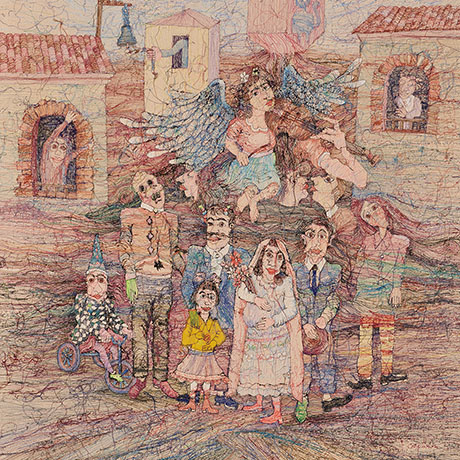
Felipe Coaquira
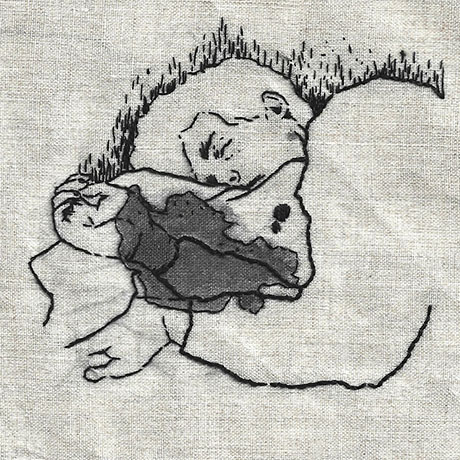
Genaro Moreno
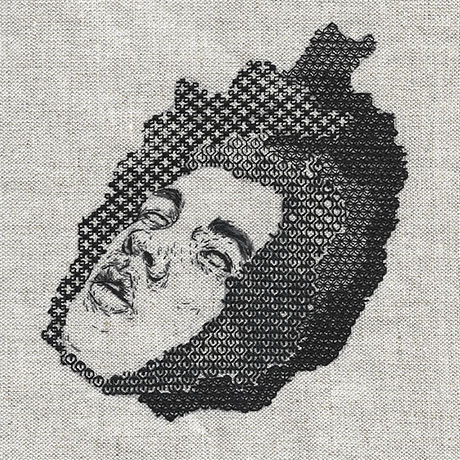
Genaro Moreno
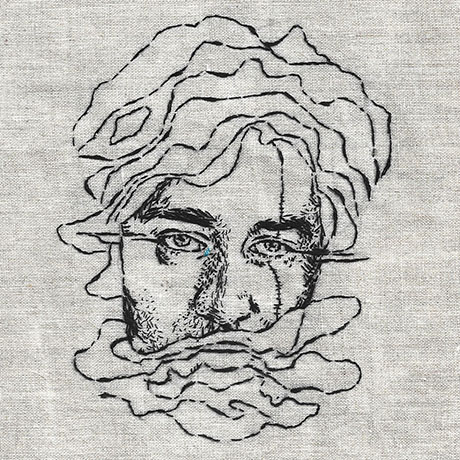
Genaro Moreno
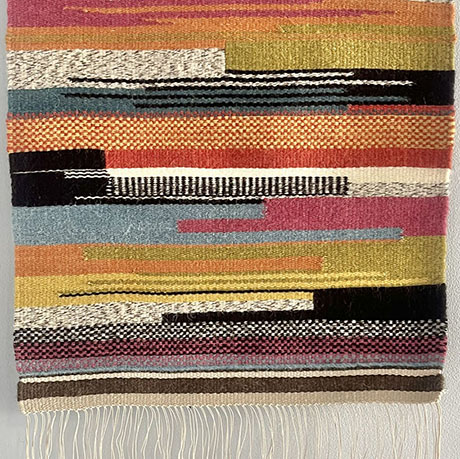
Evan Tyler
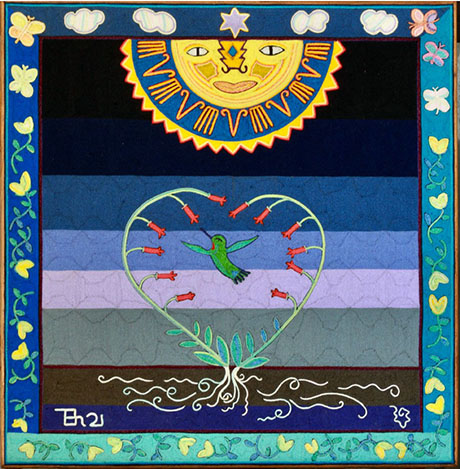
Timothy Emerson Hinchliff
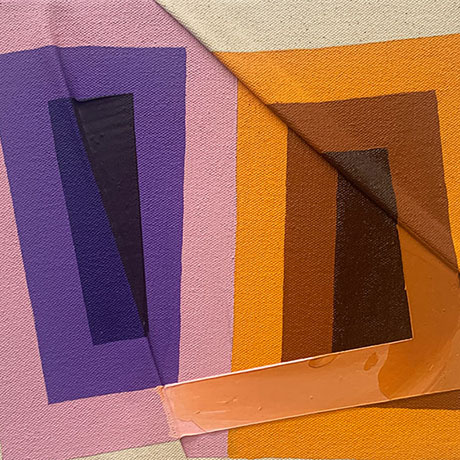
Nikko Mueller
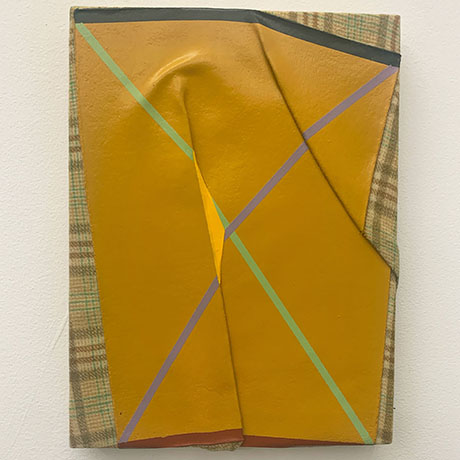
Nikko Mueller
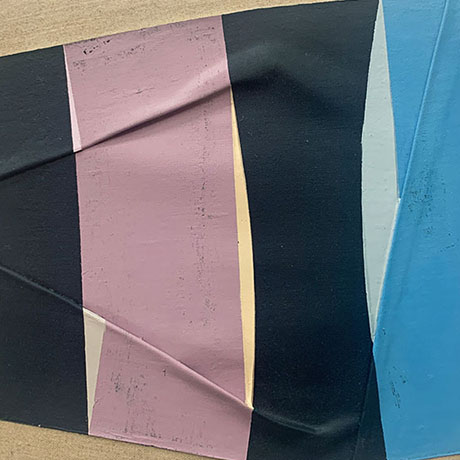
Nikko Mueller
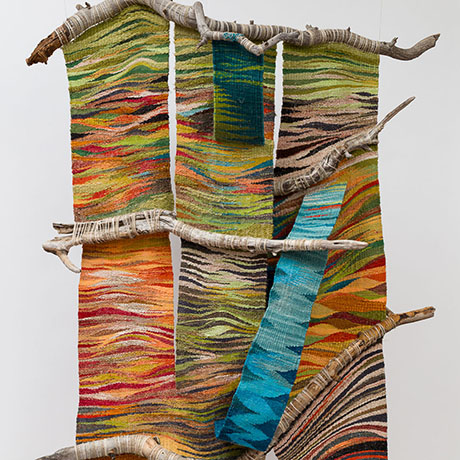
David Van Buskirk
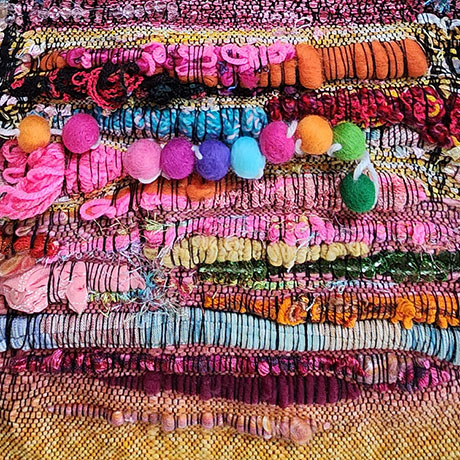
Alex Nichols
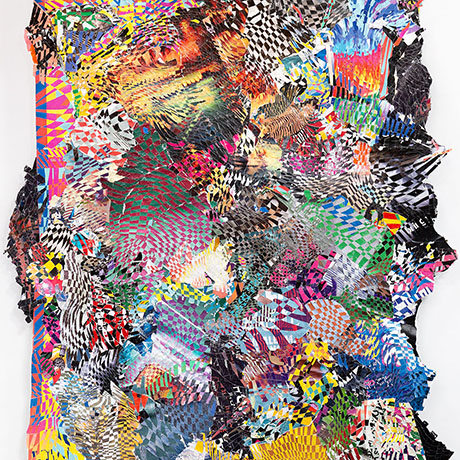
Galen Gibson-Cornell
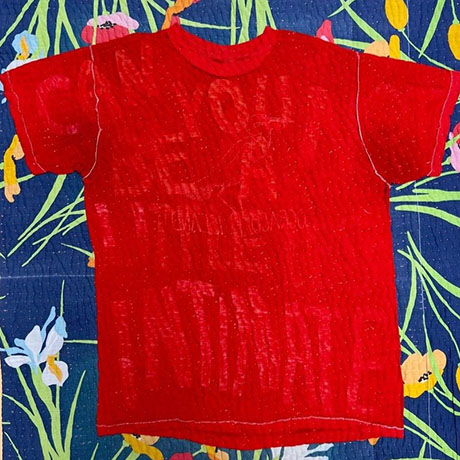
Zak Foster
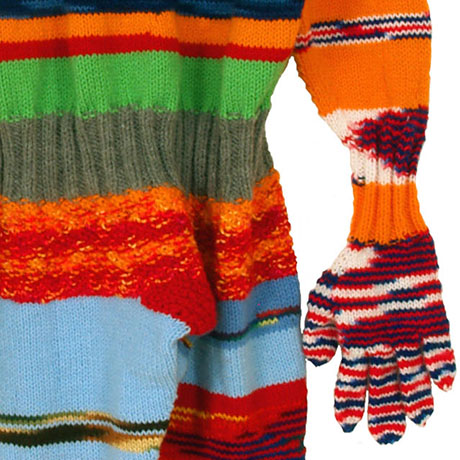
Mark Newport
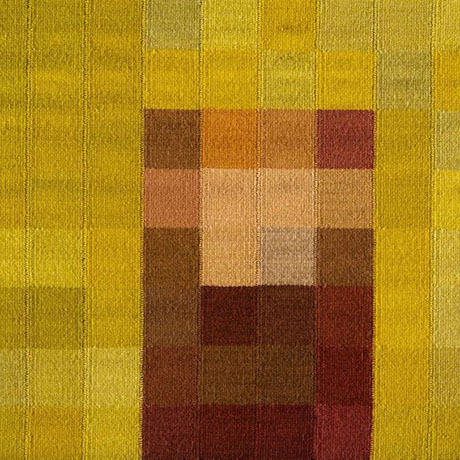
Michael Rohde
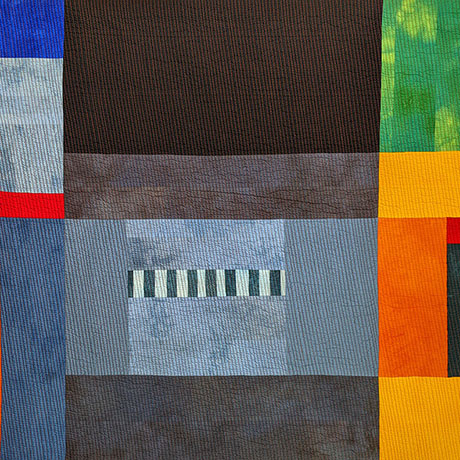
Phil Jones
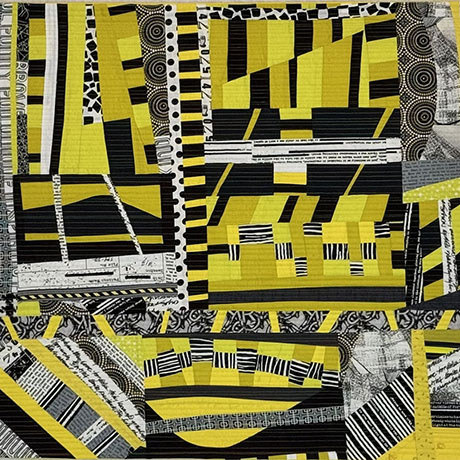
Carl Brown